What's SMM Panel?
Social Media Marketing Panel and what it is about? What is SMM Panel and How does it work?
What Is an SMM Panel? How It Works, Services, Risks & How to Choose One
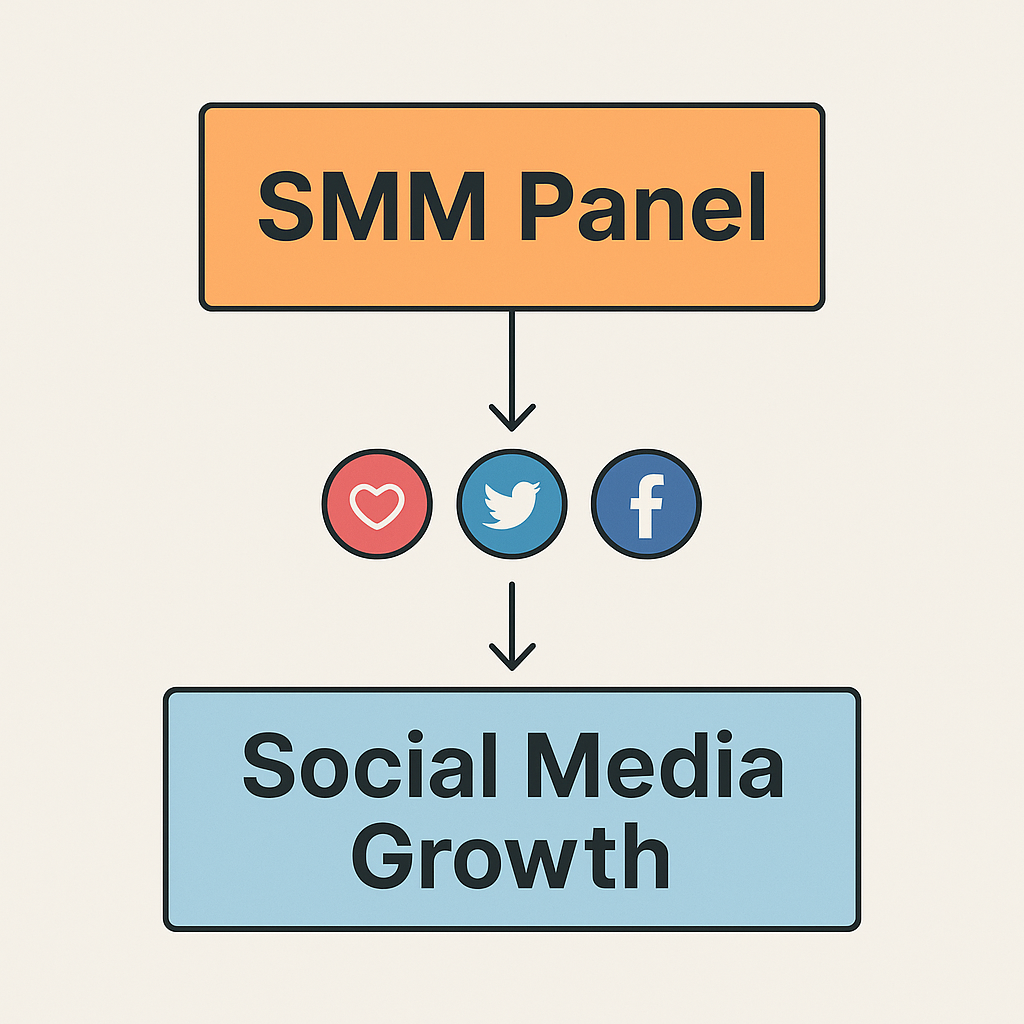
An SMM panel (Social Media Marketing panel) is an online platform that lets users order and manage social media marketing services from one dashboard. Depending on the provider, these services can include followers, likes, views, comments, subscribers, and other forms of social media engagement. Some panels deliver services themselves, while others connect customers with third-party providers through APIs.
SMM panels can make certain marketing tasks easier to manage for creators, businesses, agencies, and resellers, but they are not a substitute for quality content, audience relationships, or sustainable organic growth. The quality and authenticity of services vary, and artificially generated engagement may conflict with the policies of individual social platforms, so the provider and service type should be evaluated carefully.
What Is an SMM Panel?
An SMM panel is an online platform that brings social media marketing services together in one place. Instead of contacting different providers for different services, users can typically create an account, add funds, select a service, enter the required details, and track the order from a central dashboard.
SMM stands for Social Media Marketing. In the context of an SMM panel, the term generally refers to a marketplace or service-management platform where customers can purchase services designed to increase specific social media metrics, such as followers, likes, views, comments, subscribers, or other forms of engagement.
The exact services available depend on the panel and the platforms it supports. A panel may offer services for platforms such as Instagram, YouTube, TikTok, Facebook, Telegram, X, or other social networks. Service descriptions can also differ significantly between providers, particularly in areas such as delivery speed, targeting, retention, refill policies, and minimum order quantities.
What Can You Buy From an SMM Panel?
Common SMM panel services include:
- Followers for social media accounts or pages
- Likes on posts, videos, or other content
- Views for videos, reels, stories, or similar content
- Comments and other forms of engagement
- Subscribers for platforms such as YouTube
- Channel or group members on supported platforms
- Watch time and other platform-specific services
- Reseller services for agencies and businesses that manage orders for their own customers
Not every service represents the same type or quality of audience. A service marketed as followers, for example, does not automatically mean that the followers are genuine, relevant, or likely to become long-term customers. For that reason, the service description and delivery method matter just as much as the headline metric.
SMM Panel vs. SMM Agency
An SMM panel and an SMM agency can both be used as part of a social media marketing strategy, but they serve different purposes.
SMM Panel
Provides a self-service platform
------------------------
Users select and place orders themselves
------------------------
Usually focused on specific services or metrics
------------------------
Often automated through a dashboard or API
------------------------
Customers generally manage their own accounts and campaigns
------------------------
Pricing is often based on individual services or quantities
SMM Agency
Provides managed marketing services
------------------------
An agency typically plans and manages campaigns
------------------------
Can handle strategy, content, advertising, community management, and reporting
------------------------
Usually involves direct communication with a team
------------------------
The agency may manage marketing activities on the customer's behalf
------------------------
Pricing may be based on projects, retainers, or campaign scope
In simple terms, an SMM panel is primarily a self-service platform, while an SMM agency provides a managed marketing service. An agency may also use an SMM panel or third-party providers behind the scenes, but the two are not interchangeable.
An SMM panel can therefore be useful when you already know which service you need and want to manage orders yourself. An agency is generally more appropriate when you need strategy, content creation, campaign management, or ongoing marketing support rather than a specific social media service.
How Does an SMM Panel Work?
An SMM panel works as a central dashboard for ordering and managing social media services. The exact process varies between providers, but most panels follow a similar workflow: you create an account, fund your balance, select a service, submit the required target information, and track the order until it is completed.
Step 1: Create an Account
Most SMM panels require you to create an account before placing an order. You typically provide basic account information, verify your email address if required, and then access the panel dashboard.
A reputable panel should not require your social media password simply to deliver a service to a public profile, post, video, or channel. Be cautious if a service asks for unnecessary account credentials.
Step 2: Add Balance
Once your account is created, you usually need to add funds to your panel balance. Payment methods vary by provider and may include cards, digital payment services, cryptocurrencies, or other supported options.
Your balance is then used to pay for individual orders. Before adding a significant amount, check the panel's pricing, refund terms, and payment policies.
Step 3: Choose a Service
The panel typically organizes its services by platform and category. You might choose a service for Instagram followers, YouTube views, TikTok engagement, Telegram members, or another supported platform.
Service descriptions should provide useful details such as:
- Price per quantity
- Minimum and maximum order
- Estimated delivery speed
- Expected retention or refill terms
- Whether the service supports drip-feed orders
- Whether the service can be canceled or refunded
The cheapest option is not necessarily the best option. Service quality and retention can differ substantially between providers.
Step 4: Submit the Target URL
After selecting a service, you enter the information required to fulfill the order. For many services, this is a public URL for a profile, post, video, channel, or other piece of content.
The exact requirements depend on the service. A panel should clearly explain what information is needed before you submit the order.
Step 5: Order Routing
After an order is submitted, the panel processes it and, depending on its business model, may fulfill it directly or route it to another service provider through an API.
This creates an important distinction between an SMM panel and an SMM provider. The panel is the interface you use to place and monitor an order, while the underlying provider may be responsible for actually delivering the service.
A single panel can therefore offer services from multiple providers, which is one reason service quality can vary even within the same platform.
Step 6: Provider Delivery
The selected provider begins delivering the ordered service according to the service specifications. Delivery may be immediate, gradual, or spread over a defined period.
For example, a drip-feed option may distribute delivery over time rather than attempting to deliver the entire quantity at once. The panel generally displays the order status so you can monitor its progress.
Delivery speed should not be evaluated in isolation. A service that arrives quickly but has poor retention may provide less practical value than a slower service with better stability.
Step 7: Completion, Refill, or Refund
Once the requested quantity has been delivered, the order is normally marked as completed. Some services also include a refill period, meaning the provider may replace part of the delivered quantity if it drops below the original level within the stated timeframe.
If an order cannot be delivered, is canceled, or does not meet the provider's stated conditions, the panel may offer a refund or return the unused amount to your account balance. These policies vary, so they should be checked before placing an order rather than assumed.
1. Sign up
Create an account on the SMM panel and access your dashboard, where you can manage your balance, orders, and services.
2. Add funds
Add funds to your panel account using one of the available payment methods. Your balance is then used to pay for individual orders.
3. Choose service
Select the social media platform and service you need, such as followers, likes, views, comments, or subscribers.
4. Enter Target URL / Required Details
Enter the URL or other information required for the selected service, such as a post, video, profile, or channel.
5. Submit Order
Review the service details, quantity, and price, then submit your order through the panel.
6. Panel Routes Order
The panel processes the order and may send it directly to its own system or route it to a third-party provider through an API.
7. Service Provider Delivers
The selected provider fulfills the order according to the service specifications, which may involve immediate or gradual delivery.
8. Order Completed
Once the requested service has been delivered, the order is marked as completed and its status can usually be viewed in your dashboard.
9. Refill / Refund if Applicable
If the service includes a refill guarantee and the delivered quantity drops within the stated period, a refill may be available. If an order cannot be completed, the panel may offer a refund according to its policies.
Where Do SMM Panel Services Come From?
An SMM panel does not necessarily provide every service itself. Depending on its business model, a panel may fulfill orders directly, purchase services from another provider, or connect to one or more suppliers through an API. Understanding this supply chain helps explain why two panels can offer similar services at very different prices, delivery speeds, and quality levels.
Direct Providers
A direct provider delivers the service through its own infrastructure or directly manages the source of the service. In this model, there is fewer intermediaries between the service provider and the SMM panel.
Direct access can give a panel greater control over pricing, delivery, service specifications, and customer support. However, being a direct provider does not automatically guarantee that a service is high quality or suitable for every marketing goal.
Resellers
An SMM reseller purchases services from another provider and sells them to its own customers, usually at a different price. Reselling is common in the SMM industry because it allows businesses and agencies to offer a wider range of services without building their own delivery infrastructure.
A reseller may also add value through better customer support, easier ordering, custom pricing, or a more convenient dashboard. However, additional intermediaries can make it harder to determine where a service ultimately comes from.
API Suppliers
An SMM API supplier allows another panel to connect to its services programmatically. Through an API, orders can be submitted automatically, and information such as order status, delivery progress, or available services can be returned to the panel.
This allows one SMM panel to offer services from multiple suppliers without manually processing every order. It also means that the quality of an order can depend on the underlying supplier, not just the interface or brand of the panel you use.
The Provider → Panel → Customer Model
A common SMM service flow looks like this:
Provider → SMM Panel → Customer
The provider is responsible for delivering the underlying service. The SMM panel acts as the platform where customers can browse services, place orders, make payments, and track progress. The customer selects and pays for the service through the panel.
In some cases, the supply chain can be longer:
Primary Provider → API Supplier → Reseller Panel → Customer
This is why the name of an SMM panel alone does not tell you everything about the service you are buying. When evaluating a panel, it is useful to look beyond price and consider whether the provider is transparent about delivery, retention, refill policies, service limitations, and the conditions attached to each order.
What Services Do SMM Panels Offer?
SMM panels can offer a wide range of social media services, but the exact selection varies by provider and platform. Most services are designed around specific metrics or actions, such as followers, likes, views, comments, subscribers, or members. Before ordering, it is important to check what each service actually delivers, how it is delivered, and whether it includes conditions such as refill or retention guarantees.
Followers
Follower services are designed to increase the follower count of a social media profile, page, or account. Depending on the provider, services may differ in delivery speed, targeting, retention, and audience quality.
A higher follower count does not necessarily mean a larger active audience or more potential customers. Follower quantity should therefore be considered separately from genuine audience engagement and long-term community growth.
Likes
Like services increase the number of likes or similar reactions on eligible posts, photos, videos, or other content. They are commonly used when a customer wants to increase visible engagement on specific content.
The value of a like service depends on the quality and relevance of the engagement. A larger number of likes does not automatically translate into meaningful interactions, conversions, or sales.
Views
View services are used to increase the reported view count of videos, reels, stories, or other supported media. Delivery requirements and counting methods vary between platforms, so a panel should clearly explain what qualifies as a view for the selected service.
Views can improve a content metric, but they should not be confused with genuine audience attention, watch quality, or customer intent.
Comments
Comment services provide comments or other forms of written engagement on supported social media content. Some providers offer generic comments, while others may offer services with more specific targeting or content requirements.
Because comments are more visible and contextual than simple numerical metrics, quality matters particularly here. Generic or irrelevant comments can make engagement look unnatural rather than improving the credibility of a post.
Subscribers
Subscriber services are primarily associated with platforms such as YouTube and other channels where users can subscribe to an account or content creator.
As with followers, the number of subscribers alone does not indicate how many people actively watch, interact with, or return to the content. A healthy channel still depends on relevant content and genuine audience interest.
Watch Time
Watch time services are designed to increase the amount of time viewers spend watching supported video content. They can be offered for platforms where watch time is an important performance metric.
Watch time should be evaluated carefully because the quantity of viewing does not necessarily represent genuine audience interest. In addition, platforms may apply their own rules regarding artificially generated or incentivized activity.
Members
Member services can increase the number of members in supported communities, groups, channels, or similar social platforms. Telegram, for example, is one platform where member-related services may be offered by SMM providers.
The usefulness of additional members depends heavily on their relevance and activity. A larger community is not necessarily a more valuable community if the members do not participate or contribute to the group.
Platform-Specific Services
SMM panels often organize services according to the requirements of individual platforms. An Instagram service, for example, may have different delivery conditions from a YouTube, TikTok, Telegram, or Facebook service.
Platform-specific services can include:
- Instagram: followers, likes, views, comments, and story-related services
- YouTube: subscribers, views, likes, comments, and watch-time-related services
- TikTok: followers, video views, likes, shares, and other engagement
- Telegram: channel or group members, views, reactions, and other supported services
- Facebook: page likes, followers, post engagement, and other services
- X: followers, likes, views, and post engagement
The availability and specifications of these services change over time, and not every panel supports every platform. For that reason, evaluate the actual service description rather than assuming that two panels offering the same metric provide the same type or quality of delivery.
Who Uses SMM Panels?
SMM panels are used by different types of customers, and their goals can vary significantly. Some users want to manage specific social media services for their own accounts, while others use panels to support client work or build a reselling business.
Creators
Content creators may use SMM panels to manage specific social media services for their profiles, videos, or posts. For example, a creator may use a panel to order views, likes, or other supported services for a particular piece of content.
However, these services should not be treated as a substitute for creating useful content or building a genuine audience. Sustainable creator growth still depends on content quality, consistency, audience relevance, and authentic engagement.
Businesses
Businesses may use SMM panels when they need to manage certain social media services across multiple accounts or campaigns. A panel can provide a centralized way to place orders and monitor their status without managing each service separately.
For businesses, the key consideration is whether a service supports a legitimate marketing objective. Increasing a metric without reaching relevant potential customers may add numbers without creating meaningful business value.
Agencies
Social media agencies can use SMM panels to manage services for multiple clients from one platform. Instead of handling every order manually, an agency can use a panel to streamline repetitive service purchases and track multiple campaigns.
Some panels also provide API access, allowing agencies to connect their own systems to the panel and automate parts of the ordering process.
Freelancers
Freelancers who manage social media accounts for clients may use SMM panels as one of the tools in their workflow. A centralized dashboard can make it easier to manage orders across different clients, platforms, and services.
Freelancers should still evaluate each service before recommending it to a client, particularly when the service involves engagement or audience metrics that could affect the client's reputation or platform compliance.
Resellers
Resellers use SMM panels to purchase services from suppliers and offer them to their own customers, often with their own pricing and service structure. This allows a reseller to operate a social media service business without building the underlying delivery infrastructure themselves.
Depending on the panel, resellers may also have access to API integrations or child panels that allow them to create a separate storefront for their customers.
Entrepreneurs
Entrepreneurs may use SMM panels to launch or operate an SMM-focused business, particularly when they want to sell social media services without developing their own fulfillment system from scratch.
The panel can provide the infrastructure for managing customers, balances, services, and orders, while the entrepreneur focuses on pricing, customer acquisition, support, and business operations. The success of this model still depends on service reliability, transparent pricing, customer experience, and the quality of the underlying providers.
Why Do People Use SMM Panels?
People use SMM panels for different reasons, from simplifying repetitive social media tasks to managing services across multiple accounts. The main appeal is convenience: a panel brings ordering, payment, service selection, and order tracking into one place.
Speed
SMM panels can make it faster to order a specific social media service. Instead of contacting a provider manually, users can usually select a service, enter the required details, and submit an order within minutes.
Delivery speed varies by service and provider, however. Faster delivery does not necessarily mean better quality, so users should consider retention, service specifications, and the intended purpose of the order as well.
Automation
Automation is one of the main advantages of an SMM panel, particularly for users managing multiple orders. Dashboards can automatically process orders, update statuses, calculate costs, and communicate with connected providers through APIs.
For agencies and resellers, automation can reduce repetitive administrative work and make it easier to manage a larger number of orders without handling every transaction manually.
Testing
Some users turn to SMM panels to test social media services or campaigns before committing to larger budgets. Ordering a small quantity can help users understand how a particular provider handles delivery, order tracking, retention, and support.
Testing should be treated as an evaluation process rather than proof that a service will produce long-term organic growth or meaningful business results.
Reselling
SMM panels can provide infrastructure for people who want to resell social media services. A reseller can purchase services from a supplier and offer them to their own customers at a different price.
Features such as API access, automated order processing, and child panels can make this model easier to operate by reducing the amount of manual fulfillment required.
Budget
Compared with some managed marketing services, individual SMM panel services can have relatively low upfront costs. This makes them accessible to freelancers, small businesses, creators, and resellers working with limited budgets.
However, a low price should not be the only selection criterion. A cheaper service may have lower retention, slower support, or different delivery conditions, which can reduce its actual value.
Multi-Platform Management
Users who work across several social networks can use an SMM panel to manage services from a single dashboard instead of dealing with separate providers for each platform.
Depending on the panel, one account may provide access to services for platforms such as Instagram, YouTube, TikTok, Telegram, Facebook, and X. This centralized workflow can be particularly useful for agencies, freelancers, and resellers managing multiple accounts or customers.
What Are the Risks of Using an SMM Panel?
SMM panels are not inherently the same, and the risks depend heavily on the provider, service type, delivery method, and platform involved. A low price or large promised quantity does not necessarily indicate a useful service. Before placing an order, it is important to understand what you are actually buying and how it may affect your account or marketing goals.
Fake Engagement
Some services can generate engagement that does not represent genuine interest from real potential customers. A high number of likes, followers, or views may increase a visible metric without creating meaningful interactions, website visits, leads, or sales.
This distinction matters because engagement volume and audience quality are not the same thing. If the goal is long-term brand growth, services that provide numbers without relevant audience activity may have limited value.
Bots
Some providers may use automated accounts or other artificial methods to deliver certain services. These accounts may have little or no genuine interest in the content they interact with.
Bot-generated activity can also create unusual engagement patterns. Users should therefore avoid assuming that a service is genuine simply because the advertised quantity is delivered.
Low-Quality Traffic
Not every view, follower, or visitor has the same value. Some services may generate traffic from audiences that are irrelevant to the account, content, location, or target market.
For example, a business targeting customers in one country may gain little practical benefit from a large volume of unrelated international traffic. When evaluating a service, relevance and quality should be considered alongside quantity.
Drops
A drop occurs when some of the followers, likes, views, or other delivered metrics decrease after an order has been completed. Drops can happen for different reasons, including account removals, platform changes, or the loss of low-quality accounts.
Some providers offer a refill period, during which eligible drops are replaced. However, refill conditions vary, so users should check the exact guarantee before ordering rather than assuming every service includes one.
Account and Platform Risk
Social platforms have their own rules regarding artificial engagement, spam, and other forms of manipulation. Using a third-party service does not remove the responsibility of complying with those rules.
For example, YouTube's policy prohibits artificially increasing views, likes, comments, or other metrics, and states that artificial traffic may not be counted and can lead to enforcement against a channel.
The safest approach is to review the relevant platform's current policies before using a service, particularly when the service involves artificially increasing engagement or audience metrics.
Privacy and Payment Concerns
An SMM panel may require personal information for account creation and payment, so users should consider how the provider handles their data and transactions.
A legitimate service should clearly explain its payment process and privacy practices. Users should also be cautious about any panel that requests unnecessary credentials, particularly a social media password when the selected service only requires a public profile, post, video, or channel URL.
Unrealistic Promises
Be cautious of panels that guarantee results they cannot reasonably control, such as permanent followers, guaranteed viral growth, guaranteed sales, or risk-free account growth.
Social media performance depends on many factors beyond the delivery of a specific service. A trustworthy provider should clearly explain what a service includes, its limitations, expected delivery conditions, and what happens if an order cannot be completed.
The best way to evaluate an SMM panel is therefore to look beyond its headline price or promised quantity. Transparency, service specifications, retention policies, customer support, and compliance with platform rules are all important when assessing whether a service is appropriate for your goals.
Are SMM Panels Safe and Legal?
Whether an SMM panel is safe or appropriate to use depends on the provider, the specific service, how the service is delivered, and the rules of the social platform involved. There is no single answer that applies to every SMM panel. A reputable provider can still offer a service that carries platform-specific risks if that service involves artificial engagement.
Safety Depends on the Provider and Service
Not all SMM panels operate in the same way. Before placing an order, check whether the panel clearly explains its services, delivery methods, refill or refund policies, and customer support.
The service itself also matters. Ordering a service for a public post is different from giving a third party access to your account. Similarly, a service that delivers a specific metric does not necessarily provide genuine users, customers, or long-term audience growth.
A useful rule is to evaluate the actual service being purchased rather than judging the entire panel by its price or reputation alone.
What Do Social Media Platform Policies Say?
Social platforms have their own rules regarding spam, artificial activity, and manipulation of engagement metrics. Using an SMM panel does not exempt an account from those policies.
For example, YouTube's current policy prohibits artificially increasing views, likes, comments, or other metrics. YouTube also states that artificial traffic may not be counted and that violations can lead to enforcement, including action against a channel.
Other platforms may have different policies and enforcement practices. Therefore, before using an engagement service, review the current rules of the specific platform and consider whether the service could conflict with them.
What About Artificial Engagement?
One of the main risks associated with SMM services is artificial engagement. Depending on the provider, a service may involve automated accounts, incentivized activity, low-quality accounts, or other methods that do not represent genuine interest in the content.
Artificially increasing a metric can make an account appear more active without creating a real audience. It may also produce an unusual relationship between metrics—for example, a large follower count with very little genuine interaction.
For this reason, a high delivery number should not automatically be interpreted as evidence of marketing success.
Never Share Your Social Media Password
A legitimate service should not automatically require your social media password simply to deliver a service to a public profile, post, video, channel, or other public URL.
In most cases, the information required depends on the service itself. If a provider asks for account credentials, carefully consider why they are needed and whether the request is necessary.
You should also avoid sharing passwords, authentication codes, recovery information, or other sensitive account credentials with a third-party service unless there is a clear and legitimate reason and you fully understand the associated security implications.
Understand the Risk Before You Order
Using an SMM panel involves more than deciding whether a service is cheap or expensive. Before ordering, consider:
- What is actually being delivered?
- Is the engagement genuine, automated, or otherwise incentivized?
- Does the service comply with the platform's current policies?
- What happens if followers, likes, or views drop?
- Is there a refill or refund policy?
- Does the provider require unnecessary account access?
- What information does the provider collect?
- Are the expected results clearly explained without unrealistic guarantees?
An SMM panel should therefore be viewed as a third-party marketing service with specific benefits and risks, not as a guaranteed shortcut to organic growth. The safest approach is to understand the service before purchasing it, use only the information necessary to fulfill the order, and make sure your use of the service is consistent with the rules that apply to your account and platform.
SMM Panel vs. Organic Growth
SMM panels and organic growth serve different purposes. An SMM panel can provide access to specific social media services through a self-service platform, while organic growth focuses on attracting and retaining an audience through content, engagement, search visibility, recommendations, and genuine audience interest.
The two approaches do not have to be viewed as exact substitutes, but an SMM panel should not be treated as a replacement for organic growth. If the objective is to build a loyal audience, generate customers, or establish long-term brand value, content quality and genuine audience relationships remain essential.
SMM Panel vs. Social Media Agency
An SMM panel and a social media agency can both support social media marketing, but they provide very different levels of involvement. An SMM panel is primarily a self-service platform for ordering specific services, while an agency typically provides strategy, execution, and ongoing management.

Why Should You Use an SMM Panel?
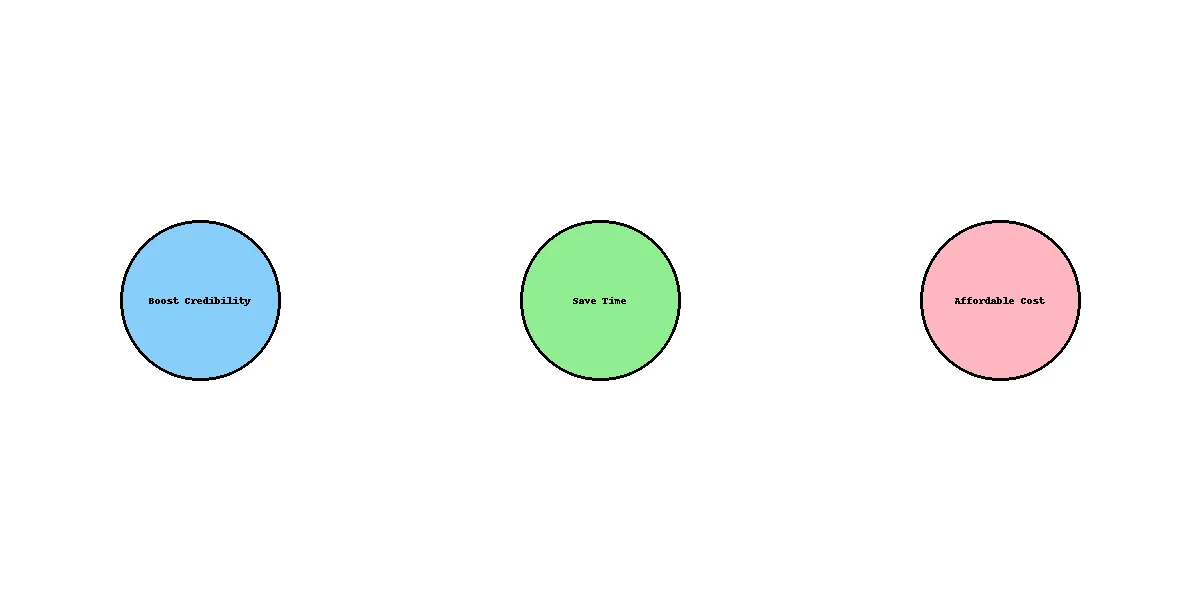
Boost Your Credibility Instantly
Imagine landing on a business profile with only 100 followers versus one with 50,000 followers.
Customers tend to trust brands that appear popular and active. That's where SMM panels help.
Save Time and Effort
Instead of spending months building organic followers, you can focus on content and leave growth to the panel.
Time is money, and smart marketers know how to leverage tools like these.
Affordable Prices
Compared to paid ads and influencer marketing, buying services from an SMM panel like ZOSMM is incredibly affordable.
You can grow on multiple platforms at once without breaking the bank.
What Services Does ZOSMM Offer?
At ZOSMM, we specialize in providing:
- Instant delivery of social media services,
- High-quality, real-looking engagements,
- Full support for resellers who want to build their own SMM businesses.
If you're interested in reselling services to your clients, check out our offers for resellers .
Benefits for Resellers
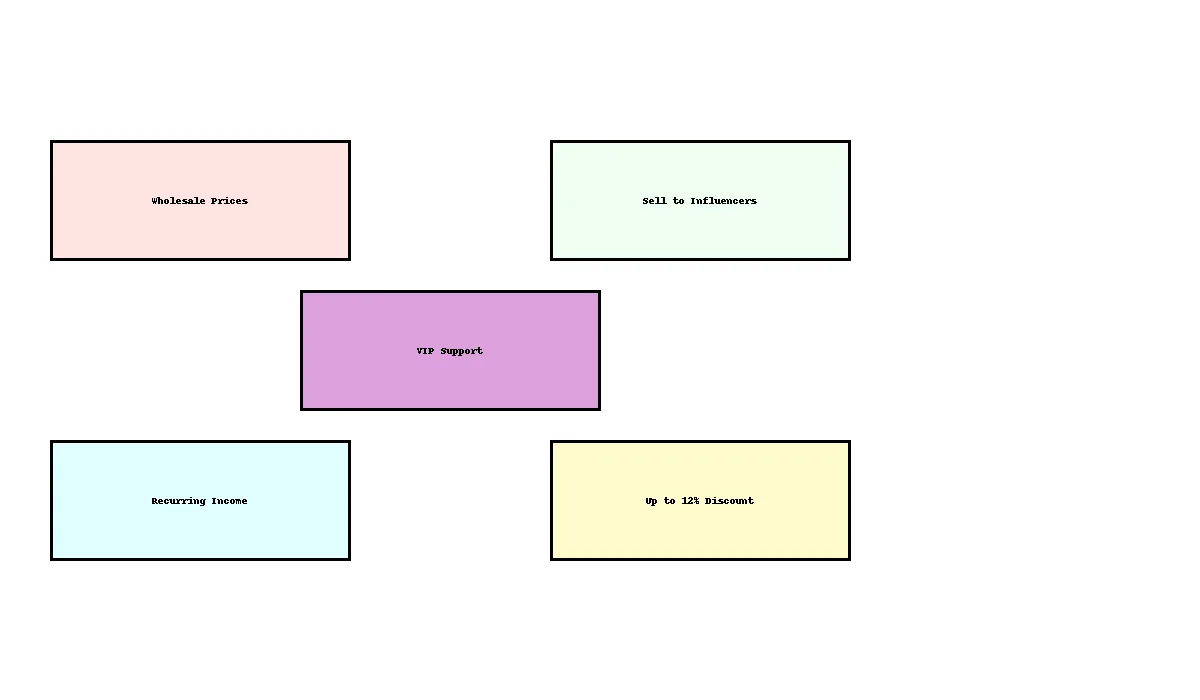
Becoming a reseller is a golden opportunity. With our platform, you can:
- Buy services at wholesale prices,
- Sell to businesses and individual influencers,
- Create a recurring income stream.
- Up To 12% Discount
- VIP Support
Unlike many other providers, ZOSMM offers fully automatic API integrations, allowing you to scale your reseller business easily.!
How to Choose the Best SMM Panel?
Not all panels are created equal. Here's what you should look for:
- 24/7 Customer Support,
- API Integration Availability,
- Transparent Pricing,
- Secure Payment Options,
- Fast and Reliable Delivery.
Good news? ZOSMM ticks all those boxes!